
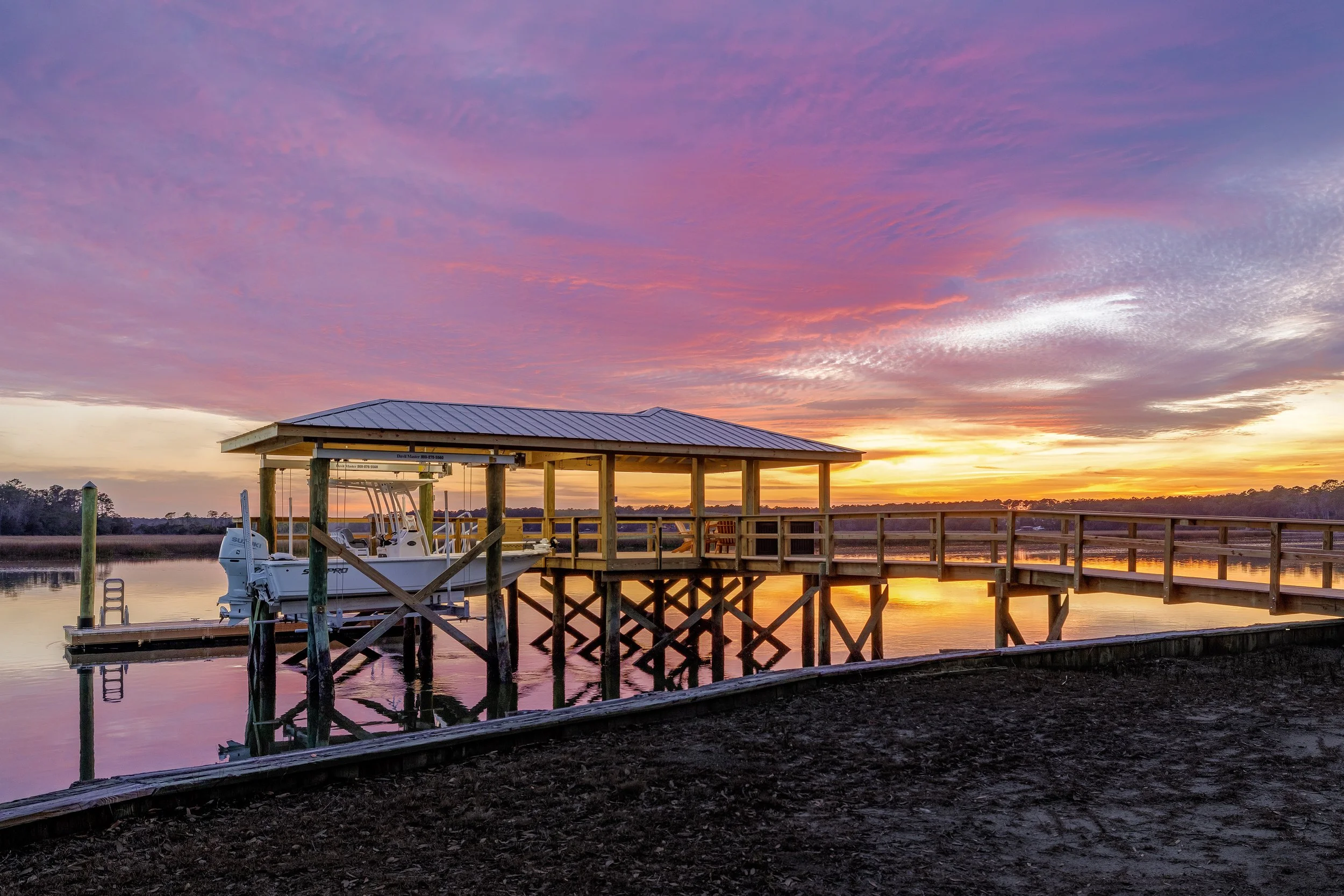
In Bluffton, Hilton Head, Charleston and across the Lowcountry, outdoor living is not seasonal. It is a defining part of daily life.
Long summers, mild evenings, and a strong connection to the water shape how homes are designed and experienced. Porches become living rooms. Pools become gathering spaces. Docks become extensions of the home itself.
The goal is not simply to add outdoor features. It is to design spaces that remain comfortable, functional, and durable in a coastal environment.
At Coastal Signature Homes, outdoor living is considered from the very beginning, not added as an afterthought.
What Should You Consider Before Designing Outdoor Spaces in Coastal South Carolina?
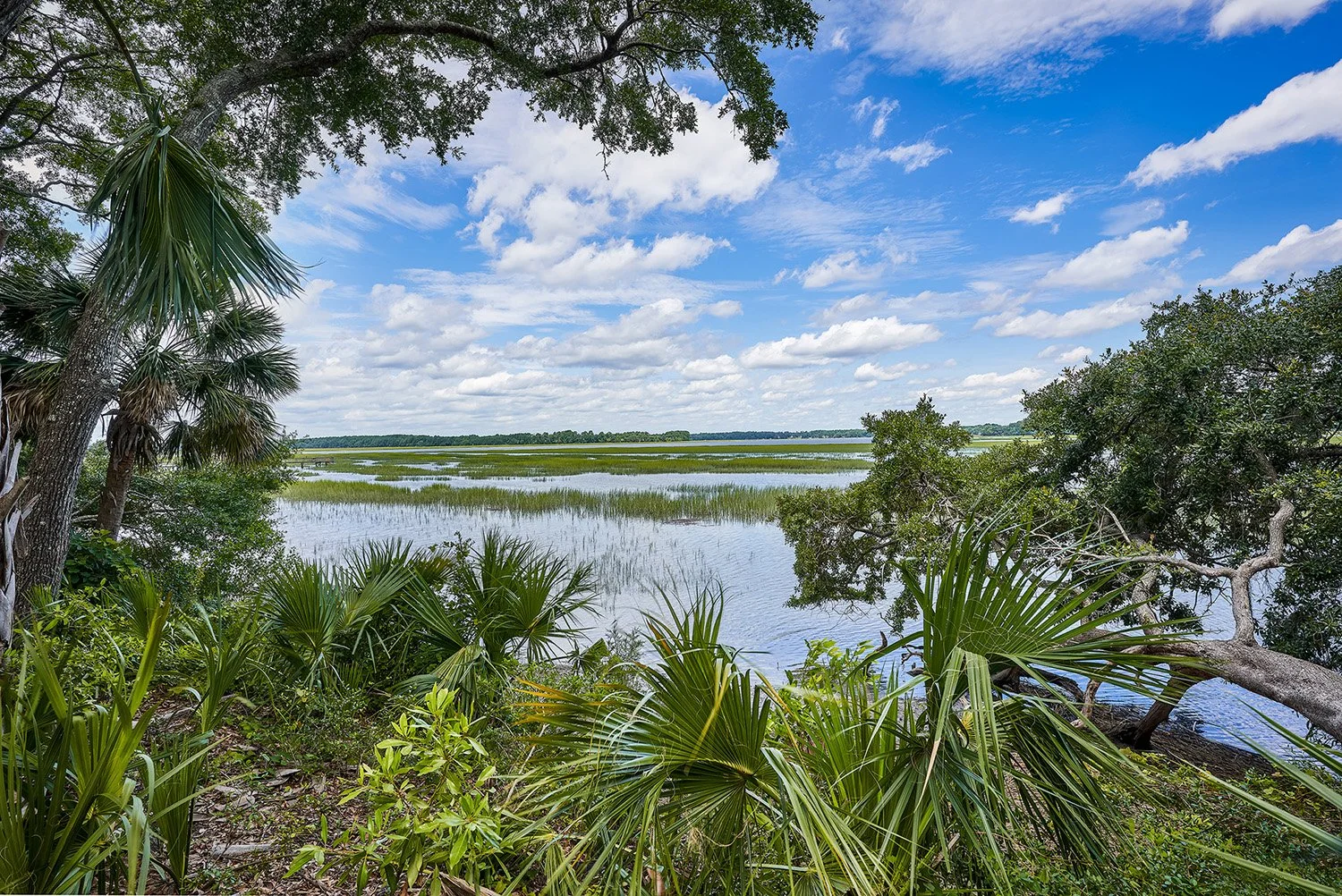
Before choosing features or materials, it is important to understand the environment.
Lowcountry conditions include:
High humidity throughout most of the year
Intense sun exposure during summer months
Mosquitoes and seasonal pests
Storm risk and potential flooding in certain areas
According to the Clemson Cooperative Extension, moisture and heat are two of the most important factors affecting material performance and longevity in South Carolina homes.
For properties near marshes, rivers, or tidal creeks, understanding flood risk is also critical.
You can review flood zones and risk levels using the official Federal Emergency Management Agency Flood Map Service Center:
👉 https://msc.fema.gov/portal/home
Design decisions around elevation, materials, and placement should always begin here.
How Do You Design a Porch That Stays Comfortable in the Summer?
A well-designed porch is one of the most valuable outdoor features in the Lowcountry.
The key is comfort.
Screened Porch or Open-Air Porch?
Screened porches provide protection from insects and allow for more consistent use
Open-air porches offer unobstructed views and a more traditional aesthetic
In many homes, a combination of both provides flexibility.
How Do You Keep a Porch Cool?
Orientation to capture prevailing breezes
Higher ceilings to allow heat to rise
Ceiling fans for continuous airflow
Deep overhangs or shade structures to reduce direct sun exposure
What Materials Work Best for Porches in Humid Climates?
Composite or tile flooring for moisture resistance
Pressure-treated or properly sealed wood
Outdoor-rated finishes and cabinetry
The right materials reduce maintenance and extend the life of the space.

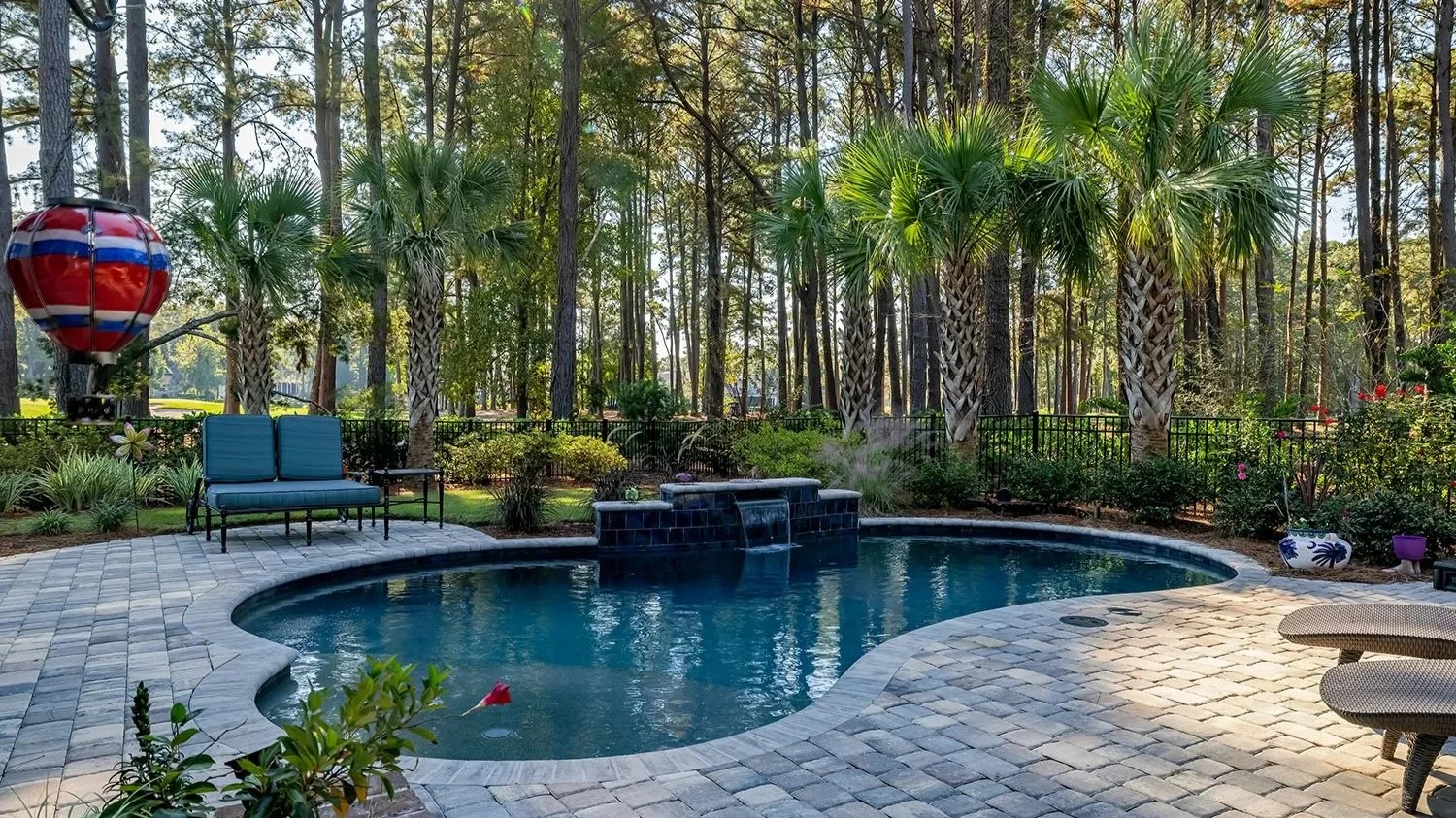
What Makes a Pool Functional and Not Just Beautiful?
A pool should feel natural to the home, not separate from it.
Where Should a Pool Be Placed?
Positioned to maximize sun exposure without overheating
Designed for privacy while preserving key views
Located for easy access from outdoor living areas
What Pool Features Actually Improve the Experience?
Sun ledges for shallow lounging
Integrated spas for year-round use
Lighting for evening entertaining
What Type of Pool Is Best for Low Maintenance?
The U.S. Department of Energy highlights the importance of efficient systems and proper planning in long-term home performance.
For pools:
Saltwater systems are often preferred for lower chemical maintenance
Durable decking materials help reduce long-term wear
A well-designed pool should be easy to maintain and enjoyable to use.

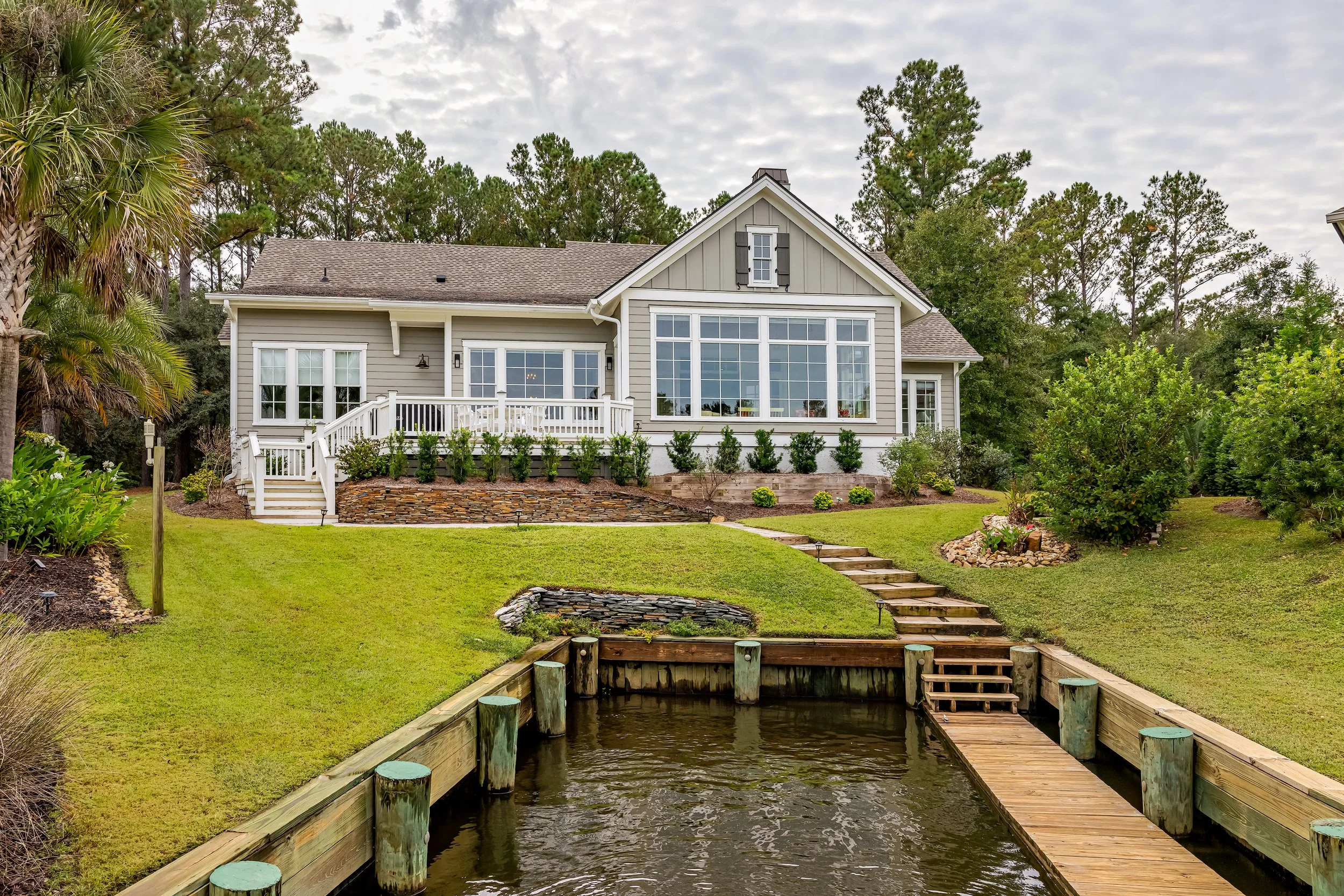
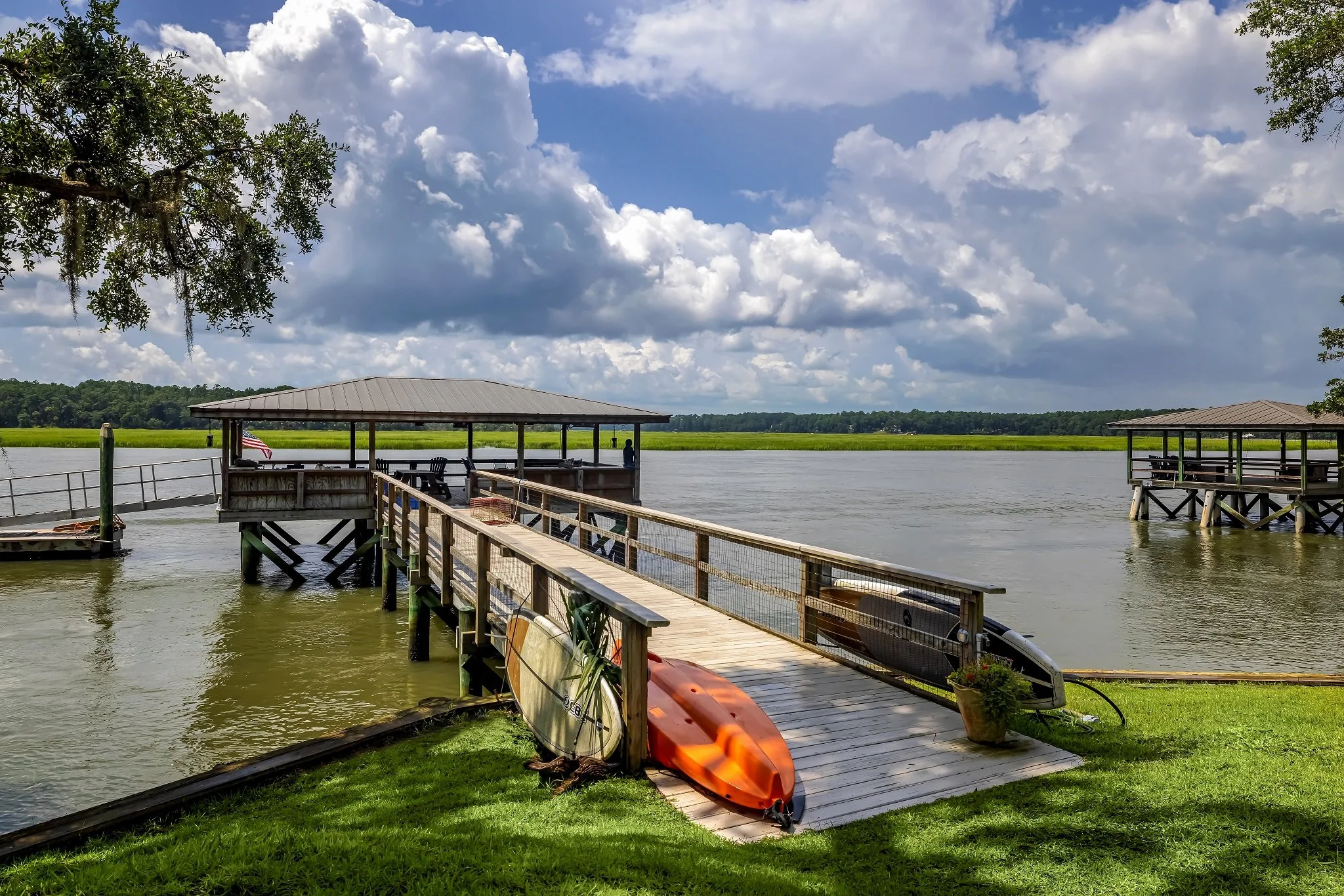
How Do You Build a Dock That Lasts in Coastal Conditions?
For waterfront properties, a dock is one of the most valuable features. It is also one of the most exposed.
What Should You Know Before Building a Dock?
Permitting and environmental regulations vary by location
Tidal changes affect usability and design
Early planning is essential to avoid delays
What Materials Last Longest in Saltwater Environments?
Composite decking for durability and low maintenance
Marine-grade hardware to resist corrosion
Properly treated structural components
According to the National Oceanic and Atmospheric Administration, "saltwater exposure accelerates corrosion, making material selection critical for long-term performance."
How Can a Dock Be Designed for Lifestyle Use?
Space for seating and gathering
Easy access for boating, kayaking, or fishing
Lighting for safety and evening use
A well-designed dock is not just functional. It becomes a destination.
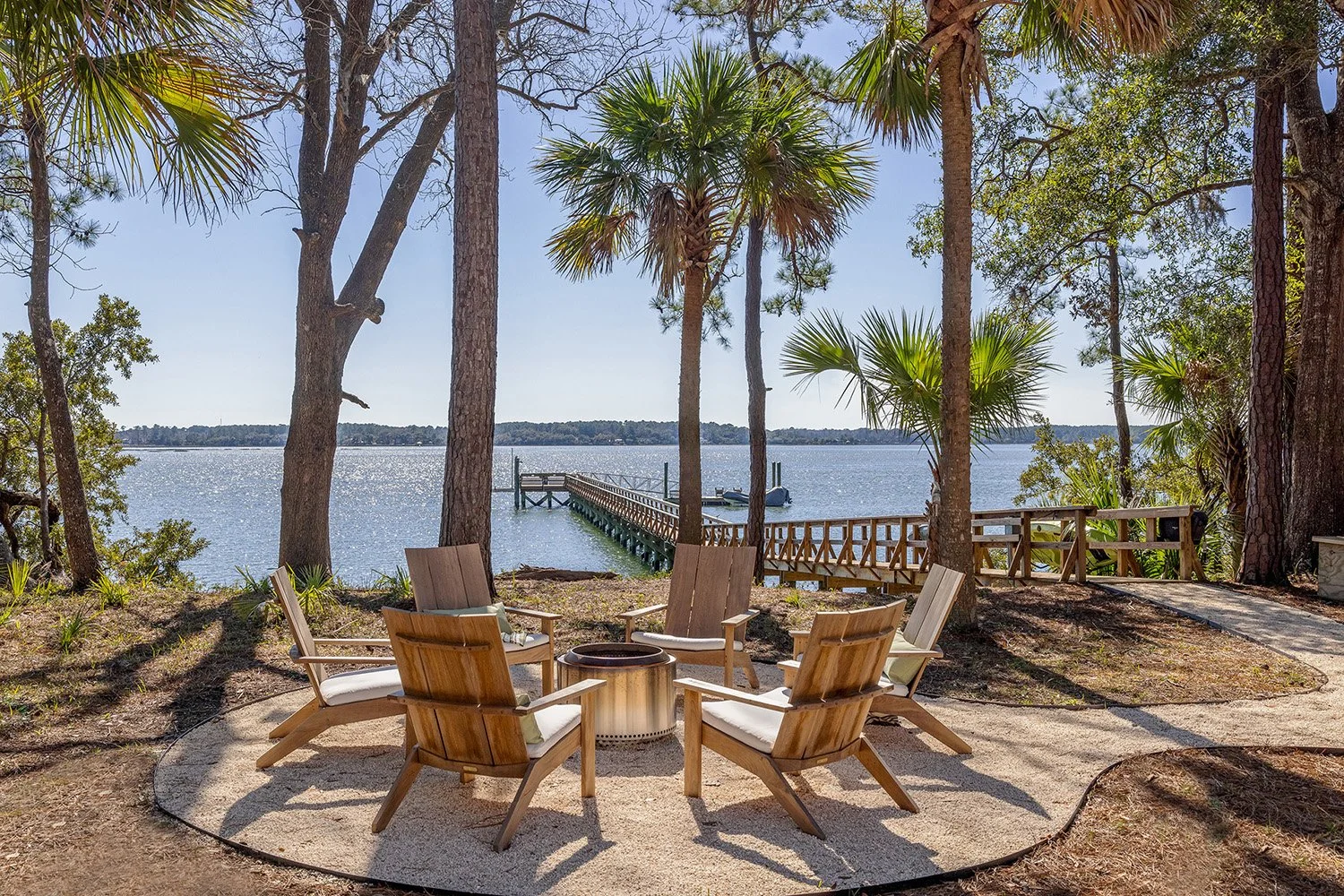
How Do You Build a Dock That Lasts in Coastal Conditions?
For waterfront properties, a dock is one of the most valuable features. It is also one of the most exposed.
What Should You Know Before Building a Dock?
Permitting and environmental regulations vary by location
Tidal changes affect usability and design
Early planning is essential to avoid delays
What Materials Last Longest in Saltwater Environments?
Composite decking for durability and low maintenance
Marine-grade hardware to resist corrosion
Properly treated structural components
According to the National Oceanic and Atmospheric Administration, "saltwater exposure accelerates corrosion, making material selection critical for long-term performance."
How Can a Dock Be Designed for Lifestyle Use?
Space for seating and gathering
Easy access for boating, kayaking, or fishing
Lighting for safety and evening use
A well-designed dock is not just functional. It becomes a destination.
How Does Coastal Signature Homes Approach Outdoor Living Design?
Outdoor spaces should feel intentional from the start. At Coastal Signature Homes, these areas are designed alongside the home itself. Placement, materials, and functionality are all considered early in the process. The result is a home where indoor and outdoor living feel seamless, natural, and easy to enjoy.
What Makes an Outdoor Space Truly Successful in the Lowcountry?
A successful outdoor space is not defined by how it looks in photos.
It is defined by how often it is used.
When designed well, these spaces:
Stay comfortable in the heat
Hold up to humidity and weather
Support both quiet moments and large gatherings
Porches, pools, and docks are not just features. They are where life in the Lowcountry happens.
Design them with intention, and they will serve you well for years to come.