
Balancing Luxury And Sustainability In Energy-Efficient Home Design
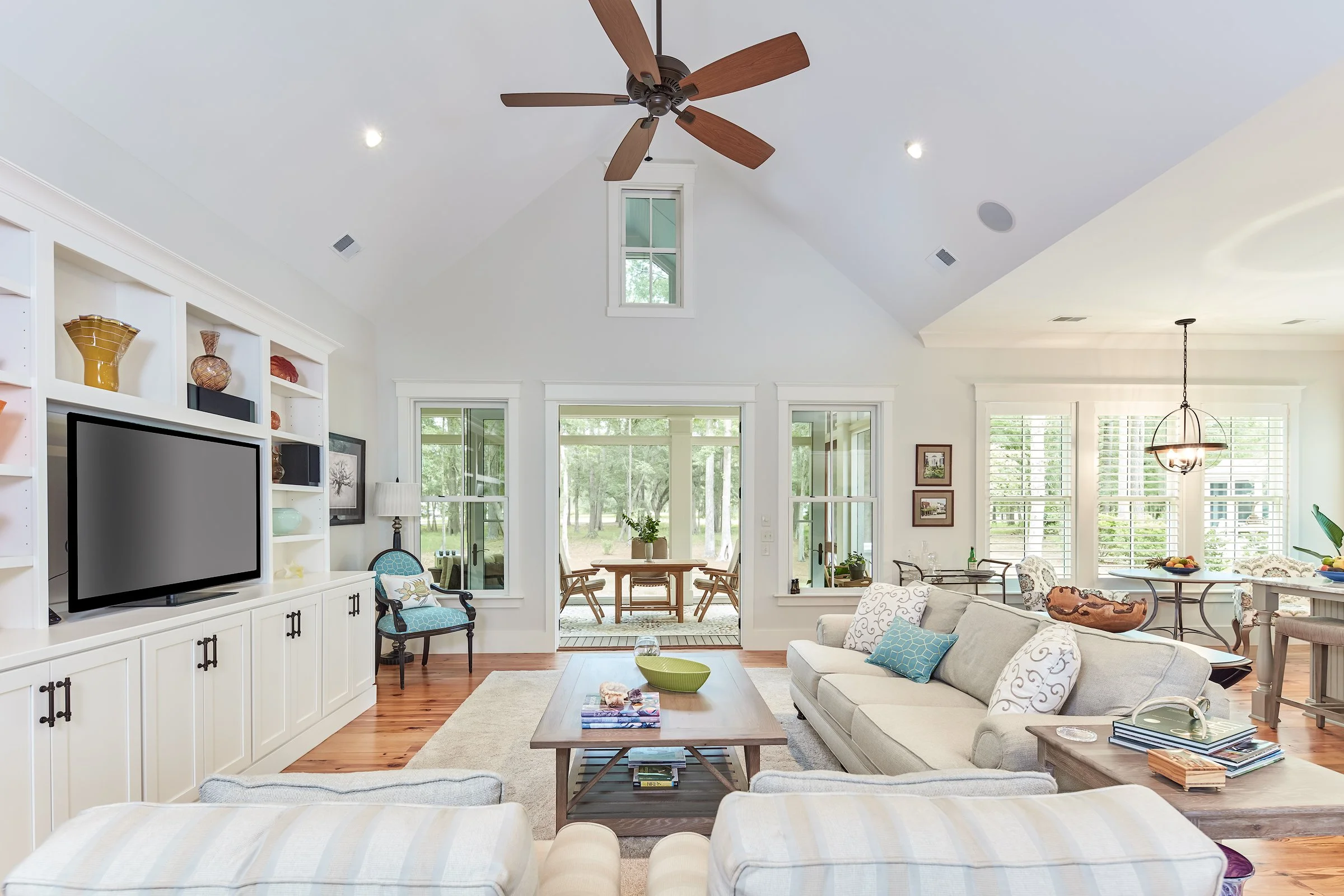
Luxury and energy efficiency can absolutely coexist – even in a Lowcountry waterfront home with floor-to-ceiling glass, seamless indoor–outdoor rooms, and year-round comfort goals. The key is to make the "building envelope" do the heavy lifting first, then layer in high-design technologies that perform as beautifully as they look.
Below is the playbook to protect your design vision while meeting ambitious efficiency and sustainability goals.
Key takeaways
Airtight insulation and high-performance glazing maintain consistent comfort and support expansive glass and clean lines without energy penalties.
Design roofs for performance and aesthetics. Reflective metal can trim cooling costs by 10–25% while elevating curb appeal.
Pair variable-speed or geothermal HVAC with smart controls and real-time monitoring to deliver quiet, precise comfort at low energy input.
Make the home solar-ready and storage-friendly so renewable power integrates seamlessly with the architecture.
Invest where ROI is clear. For example, Insulated Concrete Foam (ICF) adds about 3–8% to structure costs, and typical whole-home efficiency paybacks run 7–12 years.
How to combine high-end design with true energy efficiency
Continuous insulation and careful air sealing (with strategic use of spray foam) create an airtight shell that preserves year-round comfort, even right up to glass lines. This principle, called the “Building Envelope,” supports dramatic volumes and clean detailing without thermal compromises.
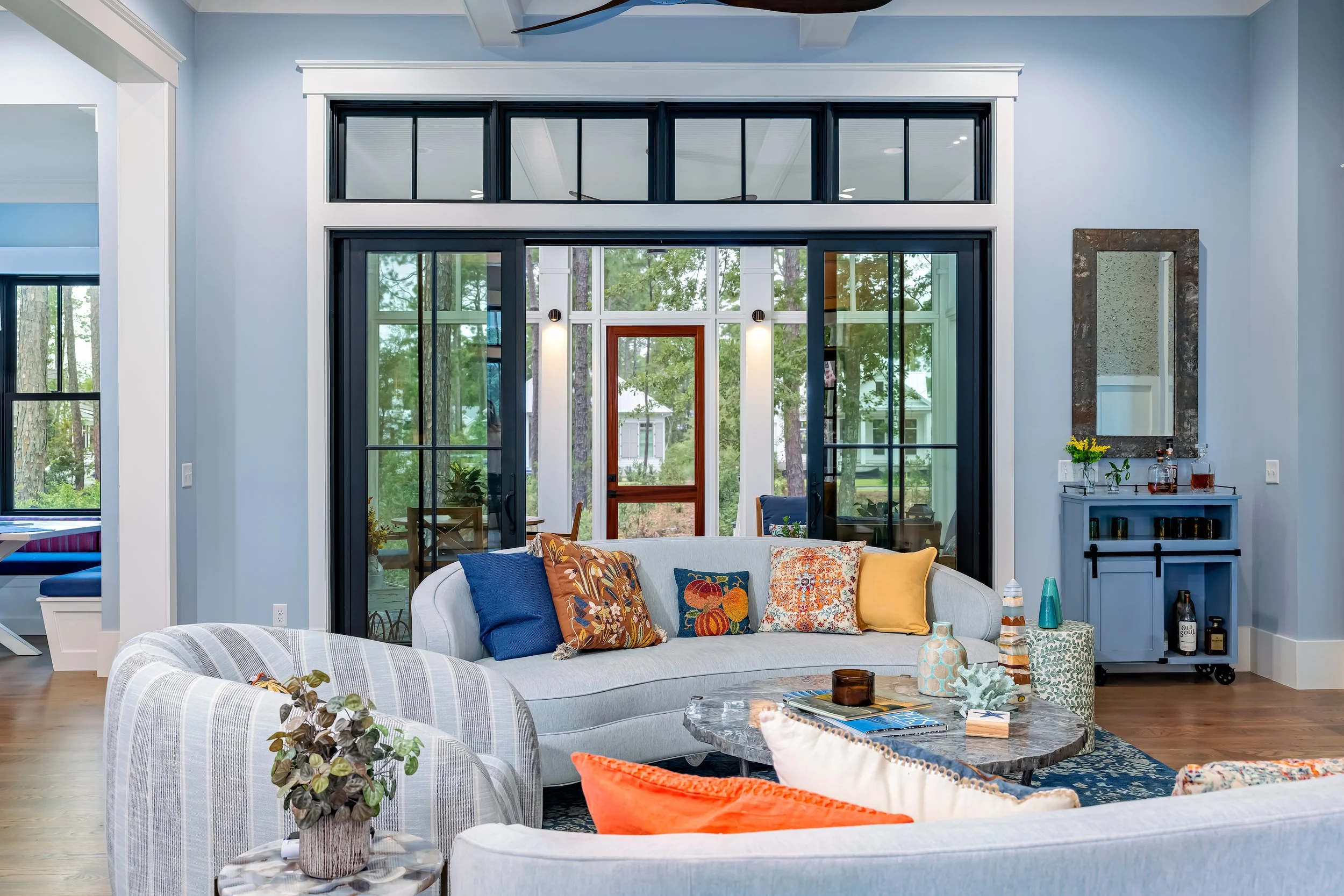
Use statement glass judiciously. Specify triple-pane units with low-e coatings to keep the minimalist aesthetic while controlling heat transfer and sound. With the right glass, floor-to-ceiling openings remain striking and serene.
Right-size the HVAC. In large luxury footprints, variable-speed and geothermal options provide even, quiet temperatures while using a fraction of the energy of traditional systems. Zoning and careful duct placement protect comfort and finishes.
Plan solar-ready architecture early. Hide conduit, reinforce roof zones, and pre-wire for batteries and EV circuits so panels or tiles read as integral to the design rather than an afterthought.
Adopt smart oversight. Smart meters and automation provide real-time performance feedback and scene-based control, tuning comfort and lighting without waste.
Envelope excellence: insulation, air sealing, and coastal roofing that looks luxurious
Seal first, then insulate. Meticulous air sealing paired with spray foam in key cavities eliminates drafts and cold spots, stabilizing temperatures throughout the day and across seasons.
Choose roof assemblies that earn their keep. In sunny coastal zones, reflective metal profiles can reduce cooling energy 10 - 25%, adding a tailored architectural finish that also lightens HVAC loads. For humid climates, target about 1 square foot of net free attic vent area per 300 square feet of attic to control heat and moisture. Consider longevity as part of sustainable luxury: metal roofs last 40 - 70 years, while premium synthetic options often deliver 30 - 50+ years, reducing waste and long-term disruption. You can explore material and performance specifics in our Lowcountry-focused guide to premium exteriors here: premium siding and roofing in the Lowcountry.
Glazing without the energy penalty: windows, doors, and detailing
Keep the expansive views and gallery-quiet interiors with the right assemblies and detailing. Triple-pane windows with low-e coatings provide three layers of protection between interior spaces and the elements, improving insulation and acoustics without thickening sightlines.
Detail to preserve performance. Align continuous insulation to frames, specify warm-edge spacers, and design airtight thresholds and multipoint door hardware to reduce leakage. Pair glass with exterior shading, deep overhangs, screens, and trellises; or strategic landscaping to temper solar gain while keeping the aesthetic transparent and refined.
Comfort systems: quiet, precise, and efficient HVAC for luxury living
Choose systems that disappear into the experience. Geothermal heat pumps leverage steady ground temperatures to deliver heating and cooling at a fraction of traditional energy costs, making them ideal for larger residences that demand even, whisper-quiet comfort.
Support equipment with smart distribution. Variable-speed compressors, zoning, and well-insulated ducts located inside conditioned space maintain room-by-room setpoints without drafts. Balance with fresh air and dehumidification strategies that protect finishes in humid climates. Tie everything to intelligent controls and smart meters so comfort scenes adapt to occupancy and weather in real time.
Power and renewables: solar-ready design and beautiful integration
Treat renewable power as part of the architecture.
Pre-plan conduit paths, roof structure, and inverter rooms so PV arrays sit cleanly within the roof composition, with space reserved for batteries and EV circuits. High-albedo metal roofing can further boost PV performance by lowering roof temperatures while contributing crisp, modern lines.
Use storage to time-shift energy for comfort scenes and resilience.
Prioritize critical lighting and conditioning zones so the home remains livable during outages. Market signals are clear: in luxury homes, solar panels, smart thermostats, and LED lighting are now seen as indispensable rather than add-ons, so plan them from day one.
Light that flatters and saves: LED, scenes, and controls
Specify all-LED sources to cut energy use and heat gain while expanding options for beam shaping and high color rendering, ideal for art, stone, and millwork. Layer ambient, task, and accent scenes and link them to daylight sensors and occupancy to reduce waste without compromising drama.
Centralize control through elegant keypads and app automation, and pair with smart metering for feedback that keeps intent and efficiency aligned. Use tunable white and dim-to-warm profiles to honor material palettes from morning to evening.
Materials, air quality, and finishes that age gracefully
Sustainable luxury favors materials that endure and improve with time.
Incorporate durable, low-maintenance claddings and decking where they support the narrative, and use reclaimed or engineered options to balance character with stability.
Airtight homes need intentional fresh air.
Balance ventilation and dehumidification to protect health and finishes, and opt for low-emission paints and sealants. Consider solar exposure and UV when selecting woods, stones, and textiles in sunlit spaces to preserve tone and texture.
Water-wise luxury landscapes and outdoor rooms
Design outdoor living that’s both lavish and resource-aware.
Combine native plant palettes with reflective or light-colored hardscapes to reduce heat islands and irrigation demands while keeping terraces cool underfoot. Orient seating for shade and breezes.
Use subsurface drip, moisture sensors, and zoned irrigation, and harvest roof runoff for landscape uses where allowed. Select decking and claddings that resist moisture, rot, insects, and fire to keep outdoor rooms beautiful despite coastal conditions.
Cost, ROI, and resilience: where to spend for the biggest return
Allocate budget to the shell and systems that compound value.
Insulated Concrete Forms generally add about 3 - 8% to the structural shell but can be a smart path to ultra-low energy targets and serene interiors. Plan with typical whole-home efficiency payback windows of 7 to 12 years, with faster returns where utility rates are high and loads are well managed.
Include resilience dividends in the business case.
Some impact- or wind-resistant roof systems can lower insurance premiums by 10 - 30%. Durability also pays back in reduced disruption: metal roofs lasting 40 - 70 years preserve architectural integrity and avoid premature reroofing cycles.
Designing for the Lowcountry: heat, humidity, and storms
Tailor the strategy to coastal South Carolina realities.
Reflective metal or other high-albedo roofing helps curb summer cooling demand while complementing Lowcountry-modern forms.
Meet attic ventilation needs (about 1 square foot of net free vent area per 300 square feet of attic) to manage moisture during humid stretches.
Where architectural shingles are appropriate, we target assemblies with wind warranties up to 130 mph to align resilience with design goals.
Detail large openings with robust seals, multi-layer drainage planes, and carefully sloped thresholds to protect fine finishes during wind-driven rain events.
Why work with a custom builder early
Early collaboration keeps the design vision and performance goals on the same page. Integrate architecture, MEP, and landscape at schematic design so structure, glazing, and HVAC reinforce each other. A builder with established vendor partnerships can secure premium materials that hit both aesthetic and performance specs, exactly the advantage of working with Coastal Signature Homes.
Use preconstruction to model loads, coordinate solar-ready infrastructure, and price alternates that affect ROI. Our field notes underscore that energy‑efficient materials and digital technologies save money over the long term... another reason to engage builder expertise early: building in the post‑recession world. For inspiration that pairs luxury finishes with performance-minded assemblies, explore the portfolio. Ready to discuss a custom, efficiency‑forward home in Bluffton or Hilton Head? Start the conversation at contact.
References
[1] Smart meters and automation tools optimize energy consumption and report real-time performance.: "Smart meters and automation tools optimize consumption and report real-time performance." (coatesdesign.com)
[2] Insulated Concrete Forms generally add 3–8% to the structural shell cost versus traditional wood framing.: "Insulated Concrete Forms generally add 3–8% to the structural shell cost versus traditional wood framing." (newhousebuilder.com)
[3] Typical payback windows for energy-efficiency upgrades run 7 to 12 years depending on utility rates, size, and equipment.: "Typical payback windows run 7 to 12 years depending on utility rates, size, and equipment." (newhousebuilder.com)
[4] Reflective coatings on metal roofing can reduce cooling costs by 10–25%.: "Reflective coatings can reduce cooling costs by 10–25%." (coastalsignaturehomes.com)
[5] Metal roofing lasts between 40 and 70 years, reducing the need for frequent reroofing.: "Lasts between 40 and 70 years, reducing the need for frequent reroofing." (coastalsignaturehomes.com)
[6] Proper attic ventilation is typically 1 sq ft of net free vent area per 300 sq ft of attic space.: "Proper ventilation, typically 1 sq ft of net area per 300 sq ft of attic space, is necessary to prevent heat buildup and moisture accumulation." (coastalsignaturehomes.com)
[7] Synthetic roofing materials typically deliver 30–50+ years of service life.: "Typically 30–50+ years." (coastalsignaturehomes.com)
[8] Some homeowners save 10–30% on insurance premiums with impact- or wind-resistant roofs.: "some homeowners save 10-30% on their premiums." (coastalsignaturehomes.com)
[9] Modern architectural shingles can have wind warranties up to 130 mph.: "Modern architectural shingles have thicker laminations that improve shadow lines and come with wind warranties up to 130 mph." (coastalsignaturehomes.com)
[10] In luxury homes, solar panels, smart thermostats, and LED lighting are increasingly viewed as indispensable rather than add-ons.: "Solar panels, smart thermostats, and LED lighting are no longer mere add-ons but are seen as indispensable by luxury homeowners." (jtldesignstudios.com)
[11] Triple-pane windows provide three layers of protection between interior spaces and exterior elements for improved efficiency and comfort.: "The triple-pane windows now standard in luxury custom homes provide three layers of protection between interior spaces and exterior elements." (aftconstruction.com)