
Building a Custom Home on Spring Island
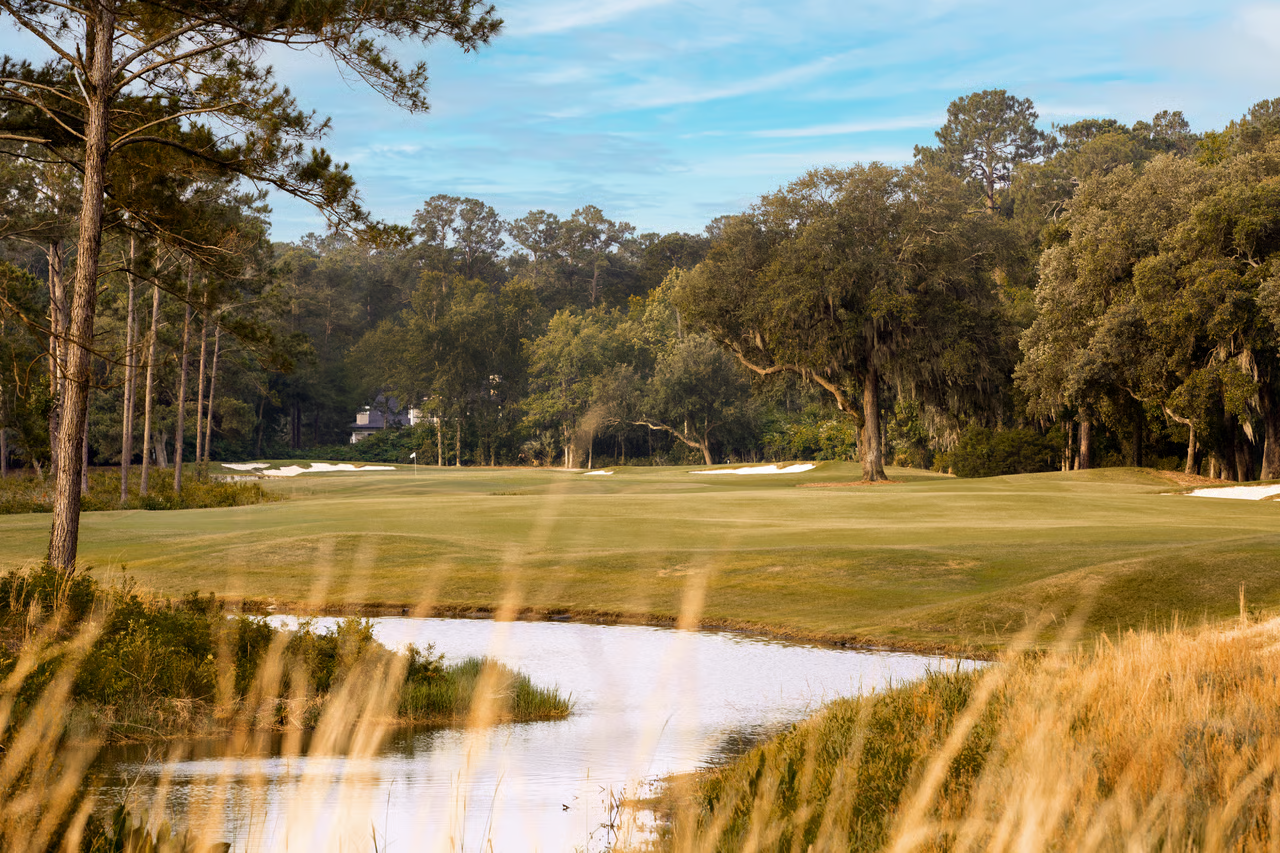
Spring Island is the kind of place where the land has a voice in the design and construction of the home.
Ancient live oaks, maritime forest, tidal marshes, and quiet stretches of open land give every homesite its own character. With only 400 homesites across roughly 3,000 acres, this is a community intentionally shaped around conservation, privacy, and a close connection to the Lowcountry landscape. [1][2]
Building here requires a custom home builder who understands more than construction. It takes experience with the land, the climate, the architectural expectations, and the way families actually want to live on Spring Island.
For more than 25 years, Coastal Signature Homes has built luxury custom homes throughout the Lowcountry, including within Spring Island itself. Our approach brings together thoughtful design, experienced construction, trusted local craftsmen, and a clear understanding that the best home is one that feels as though it belongs exactly where it was built. [6]
Why Is Building a Custom Home on Spring Island Different?
Spring Island was designed around preservation rather than density.
Only 400 homesites are thoughtfully positioned across approximately 3,000 acres, while more than 1,100 acres are protected and managed through the independent Spring Island Trust. [1][2]
That conservation philosophy influences the entire building experience.
Homes must respond thoughtfully to mature trees, natural views, neighboring properties, drainage, landscape, and existing habitat. Architectural and landscape plans are also reviewed through Spring Island's Habitat Review Board, whose purpose includes protecting the Island's natural beauty and maintaining architectural harmony throughout the community. [3]
This makes early planning especially important.
A successful Spring Island home should consider:
Homesite orientation and natural light
Existing trees and vegetation
Privacy and views
Drainage and grading
Foundation design
Lowcountry humidity and moisture
Storm resilience
Exterior materials
Outdoor living
Landscape integration
Long-term maintenance
These are not finishing touches.
They determine how naturally the home fits its surroundings and how well it performs for decades to come.
Why Choose Coastal Signature Homes to Build on Spring Island?
Building a true custom home is deeply personal.
It involves hundreds of decisions about architecture, lifestyle, materials, performance, budget, and the details that ultimately make a house feel like home.
Coastal Signature Homes brings more than 25 years of Lowcountry building experience to that process, along with experience building within Spring Island and many of the region's other premier communities. [6]
Our role is not simply to execute a set of plans.
We help families connect the homesite, architecture, construction, budget, and way they want to live into one clear vision.
Experience With Spring Island and Lowcountry Construction
Building in the South Carolina Lowcountry presents challenges that are easy to underestimate. [10]
Heat and sun. Humidity. (Sometimes Daily) Heavy rainfall. Tropical storms and hurricanes. Unique soil conditions. Drainage obstacles. Moisture management.
All of these influence how a home should be designed and built.
Beaufort County averages 48.82 inches of rainfall annually. Historical records also include a single-day rainfall total of 14.02 inches on October 8, 2016. [11]
Those figures help explain why drainage cannot be treated as a landscaping detail. Roof runoff, finished-floor elevation, grading, foundation design, and the placement of mechanical equipment should be evaluated as parts of one water-management system.
A beautiful home should still feel comfortable, efficient, and well-built many years after completion.
Foundation systems, roof assemblies, windows, exterior materials, HVAC, crawl spaces, drainage, and landscaping all contribute to long-term performance. [10]
Flood-resilient planning should begin with the conditions of the individual homesite. In FEMA-designated V Zones, new construction must place the lowest horizontal structural member at or above the Base Flood Elevation. FEMA guidance also calls for flood-damage-resistant materials below the required elevation and for mechanical and utility equipment to be elevated or otherwise protected. [14][15]
These requirements vary by parcel and flood designation, which is why survey information, flood-zone data, foundation engineering, drainage, and equipment placement should be considered before the home’s plans are finalized.
A beautiful home should still feel comfortable, efficient, and well-built many years after completion.
That requires local experience.
A Design-Build Process That Keeps the Project Connected
One of the greatest advantages of involving Coastal Signature Homes early is the ability to connect design decisions with real-world construction considerations.
Architecture, engineering, community review, budgeting, selections, and construction should not happen in separate conversations.
They affect one another constantly.
A roofline may change structural costs.
A window package can influence energy performance and budget.
A pool may affect grading and drainage.
Outdoor living spaces can influence the orientation of the entire floor plan.
Our design-build approach keeps those conversations connected from the beginning, helping families make informed decisions before plans become difficult or expensive to change. [7]
The value of early coordination is supported by life-cycle cost guidance from the National Institute of Standards and Technology. NIST notes that design decisions generally have their greatest effect on total project costs early in the process. As design advances, the opportunity to make cost-saving changes becomes progressively smaller. [16]
On Spring Island, that principle applies directly to decisions involving the foundation, drainage, roof design, window package, mechanical systems, pool, landscaping, and preservation of existing trees.
Communication Throughout the Build
A custom home involves a tremendous number of decisions.
Some are exciting, others are highly technical; many have consequences elsewhere in the project.
Clear communication helps homeowners understand those choices without becoming overwhelmed by them.
At Coastal Signature Homes, communication is part of the craftsmanship.
We help clients understand budgets, allowances, selections, schedules, construction details, and tradeoffs so decisions can be made with confidence.
Designing a Home Around the Spring Island Landscape
No two Spring Island homesites are exactly alike.
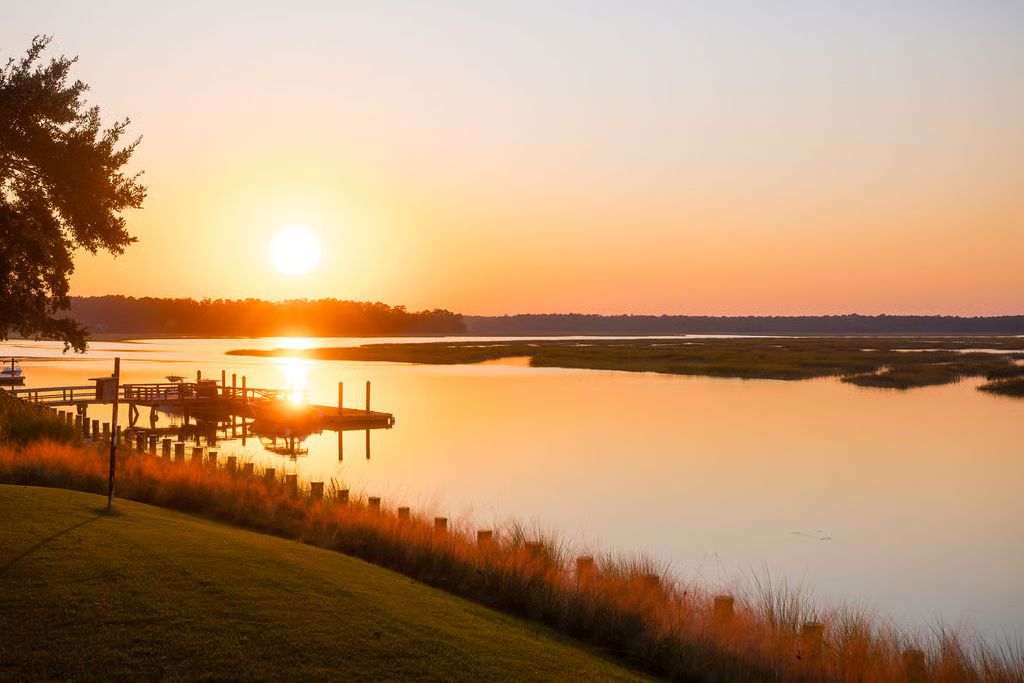
Some overlook marshes or tidal waterways. Others sit beneath dense tree canopies, beside ponds, along the golf course, or within quiet wooded settings.
The architecture should begin with that individual piece of land.
Where does the morning light enter?
Which trees should remain?
Where are the strongest views?
Where does privacy naturally exist?
How should guests approach the home?
Where does the afternoon sun fall?
How should the kitchen and living areas connect with porches, terraces, pools, or gardens?
These questions influence far more than aesthetics.
They shape how the home feels every day.
A thoughtful floor plan may frame a centuries-old oak from the great room, position a screened porch toward the prevailing breeze, or create a quiet primary suite overlooking a protected landscape.
The goal is not simply to place a home on a Spring Island lot.
It is to create a home that belongs to that particular homesite.
Building for the Spring Island Lifestyle
Spring Island offers a lifestyle built around nature, recreation, family, and community. [5]
Golf.
Equestrian pursuits.
Boating and fishing.
Sporting activities.
Walking trails.
Gardening.
Nature programs.
Arts and lifelong learning.
For many families, these experiences become part of daily life.
A custom home should support them naturally.
That may mean:
Screened porches designed as true living spaces
Mudrooms built for dogs, boots, and outdoor gear
Golf or sporting storage
Guest suites for visiting family
Bunk rooms for grandchildren
Outdoor showers
Pools and shaded terraces
Home offices overlooking nature
Flexible rooms that change as family needs evolve
Kitchens designed for relaxed entertaining
Luxury does not need to feel precious.
A Spring Island home should be comfortable enough for wet dogs and visiting grandchildren, refined enough for an evening with friends, and peaceful enough for a quiet morning overlooking the marsh.
That balance is where thoughtful custom homebuilding makes the greatest difference.
Budget, Allowances, and the Cost of Building on Spring Island
One of the most common questions families ask is:
How much does it cost to build a custom home on Spring Island?
There is no meaningful single price without first understanding the homesite and the home, and square footage is only one factor.
Cost may also be influenced by:
Foundation requirements
Architectural complexity
Roof design
Windows and doors
Structural spans
Cabinetry and millwork
Exterior materials
Appliances
Flooring and finishes
Mechanical systems
Smart-home technology
Pools and outdoor living
Landscaping
This is why price per square foot alone can be misleading. [9]
Two homes with identical square footage can have dramatically different construction costs, and the clearest way to plan is by inputting accurate allowances via a thoughtful design process, where each selection is made and priced early in the process.
They establish realistic budgets for areas such as cabinetry, appliances, plumbing fixtures, flooring, lighting, tile, countertops, and hardware while still allowing homeowners to personalize the home.
A good builder does more than ask what you want, they will help you understand what each decision means for the larger project.
Building With Spring Island's Conservation Philosophy in Mind
One of Spring Island's defining characteristics is its commitment to preserving the landscape that makes the community special. [2]
That philosophy creates opportunities for thoughtful architecture.
A home can preserve mature trees, work with natural drainage, limit unnecessary site disturbance, frame existing views rather than manufacture them and use native landscaping. [4]
The value of early coordination is supported by life-cycle cost guidance from the National Institute of Standards and Technology. NIST notes that design decisions generally have their greatest effect on total project costs early in the process. As design advances, the opportunity to make cost-saving changes becomes progressively smaller. [16]
On Spring Island, that principle applies directly to decisions involving the foundation, drainage, roof design, window package, mechanical systems, pool, landscaping, and preservation of existing trees.
Take advantage of natural shade.
Create porches and outdoor rooms that feel connected to the surrounding environment.
Sometimes the best design decision is knowing when to let the land lead.
For families building on Spring Island, this approach creates something difficult to reproduce elsewhere.
A home that feels established from the moment it is complete.
How to Choose the Right Spring Island Custom Home Builder
Spring Island and the surrounding Lowcountry are served by several respected luxury builders.
The right choice ultimately comes down to fit.
When interviewing builders, ask these questions:
Have you built homes on Spring Island before?
When should the builder become involved in design?
How do you coordinate with architects and the Habitat Review Board?
How do you evaluate the homesite before plans are finalized?
How are budgets and allowances developed?
Who helps manage finish selections?
Who communicates with us during construction?
How do you manage changes during the build?
How do you address moisture, drainage, humidity, and storms?
How do you coordinate the home with pools, landscaping, and outdoor spaces?
What support is available after completion?
Listen closely to the answers.
A luxury custom home represents too much time, investment, and personal meaning to rely on vague promises.
The right builder should be able to explain the entire process clearly.
Why Families Choose Coastal Signature Homes
Families choose Coastal Signature Homes because they want more than a finished structure.
They want a home shaped around their lives and thoughtful guidance without unnecessary complexity.
They want skilled craftsmanship, clear communication, and a team that respects both their investment and the land they have chosen.
With more than 25 years of Lowcountry custom homebuilding experience, Coastal Signature Homes understands that the finest homes are rarely defined by size alone. [6]
The land already provides something extraordinary.
Our job is to build a home worthy of it.
Planning to Build on Spring Island?
Every Spring Island homesite offers something different.
Maybe a marsh view or a canopy of live oaks.
Possibly a quiet stretch of woodland; Either way it should be a place where children and grandchildren can gather for decades.
Once you have found the land that feels right, the next step is finding a builder who understands what makes it special.
Bring us the homesite and together, we will build a forever home that belongs on Spring Island.
Frequently Asked Questions
Does Coastal Signature Homes build custom homes on Spring Island?
Yes. Coastal Signature Homes has built over 40 homes on Spring Island alone, and has successfully completed hundreds more throughout many of the Lowcountry's premier private communities. The company brings more than 25 years of regional custom homebuilding experience to each project. [6]
What makes Spring Island different from other Lowcountry communities?
Spring Island is a private community built around conservation, privacy, recreation, and a close relationship with nature. Only 400 homesites are located across approximately 3,000 acres, with more than 1,100 acres protected and managed through the Spring Island Trust. [1][2]
Does Spring Island review new home designs?
Yes. Architectural and landscape plans are reviewed through Spring Island's Habitat Review Board. This process helps protect the natural character of the Island and encourages architecture that works harmoniously with the surrounding landscape. [3]
What kind of home works best on Spring Island?
The best Spring Island homes respond directly to their homesites. Mature trees, natural light, views, privacy, outdoor living, drainage, landscape, and architectural proportion should all help shape the design.
Why is design-build helpful on Spring Island?
A coordinated design-build process allows architecture, community requirements, engineering, construction, budget, and selections to be considered together early in the project. [7]
This helps identify challenges and opportunities before plans become too advanced and keeps the homeowner's vision connected to real construction decisions.
How much does it cost to build a luxury home on Spring Island?
The cost depends on the homesite, architecture, square footage, foundation, materials, finishes, mechanical systems, outdoor spaces, landscaping, and level of customization.
For that reason, a generic price-per-square-foot figure rarely provides an accurate picture of a true custom home. [9]
What should I ask before choosing a Spring Island home builder?
Ask about direct Spring Island experience, community review, homesite planning, Lowcountry construction knowledge, budgeting, allowances, communication, selections, moisture management, storm resilience, craftsmanship, scheduling, and post-completion support.
References
1. Spring Island. “Discover Spring Island.” Spring Island Realty. https://springisland.com/
2. Spring Island. “The Spring Island Trust.” https://springisland.com/nature-the-trust
3. Spring Island Trust. “Habitat Review Board.” https://www.springislandtrust.org/sit19/spring-island/processes-that-protect-the-island/habitat-review-board
4. Spring Island Trust. “Native Plants.” https://www.springislandtrust.org/sit19/living-with-nature/landscaping-plants/native-plants
5. Spring Island. “Member Stories.” https://springisland.com/life-member-stories
6. Coastal Signature Homes. “Our Story.” https://www.coastalsignaturehomes.com/our-story
7. Coastal Signature Homes. “Why Design-Build Is the Right Approach for a Lowcountry Custom Home.” https://www.coastalsignaturehomes.com/field-notes/discover-why-design-build-is-the-best-method-for-custom-home-construction
8. Coastal Signature Homes. “Curated Collection.” https://www.coastalsignaturehomes.com/luxury-floor-plan s
9. Coastal Signature Homes. “The Worst Thing to Ask a Homebuilder, Part 1.” https://www.coastalsignaturehomes.com/field-notes/2018/12/7/the-worst-thing-to-ask-a-homebuilder-part-1
10. U.S. Department of Energy, Building Science Education. “How to Design for Performance.” https://bsesc.energy.gov/energy-basics/how-design-performance
11. South Carolina Department of Natural Resources, State Climatology Office. “Beaufort County Climate Data.”
12. U.S. Department of Energy. “Climate Zones.”
13. U.S. Environmental Protection Agency. “A Brief Guide to Mold, Moisture and Your Home.”
14. Federal Emergency Management Agency. “Lowest Horizontal Structural Member.”
15. Federal Emergency Management Agency. “FEMA 54: Elevated Residential Structures.”
16. National Institute of Standards and Technology. “Life-Cycle Costing Manual for the Federal Energy Management Program.”
17. South Carolina Sea Grant Consortium. “The Way Water Behaves: Rain Gardens and Native Plants.”